What Is PCOS? Signs, Symptoms, and Diagnosis Explained
Polycystic ovary syndrome (PCOS) is one of the most common hormonal conditions affecting women of reproductive age, yet many women live with it for years before it is recognised. If irregular periods, unexpected acne, or changes in hair growth have left you searching for answers, understanding the basics of PCOS is a useful first step. Zoey connects you with MOH-licensed Singapore doctors who can review your symptoms confidentially and explain what they may mean for you.
PCOS is not a single problem with a single cause. It is a syndrome — a cluster of features that tend to appear together. Because it shows up differently from one woman to the next, it is frequently misunderstood, and sometimes missed entirely.
What PCOS Actually Is
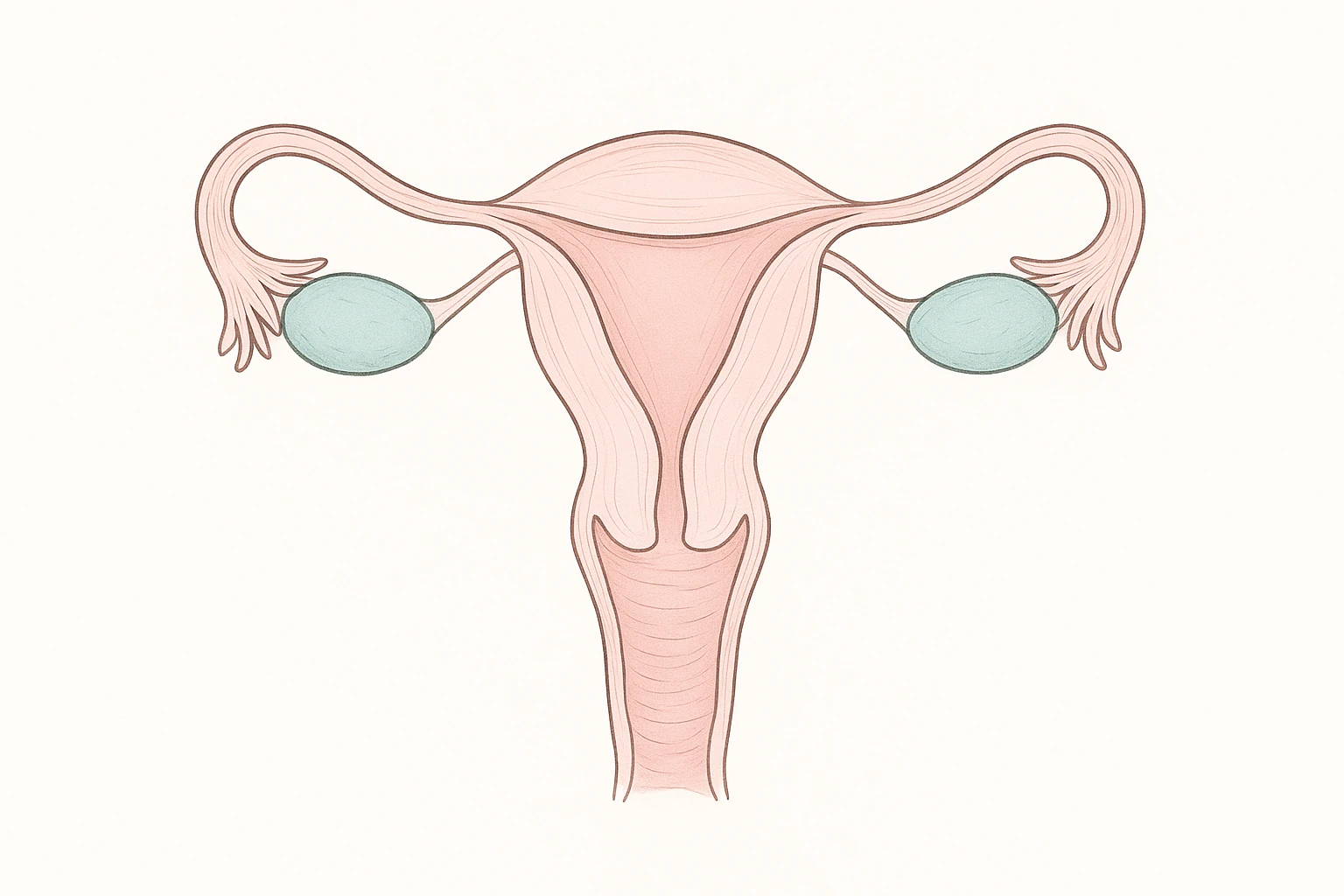
Despite the name, PCOS is not really about cysts. The "polycystic" appearance on an ultrasound refers to a higher number of small follicles in the ovaries, not painful cysts in the traditional sense. At its core, PCOS involves an imbalance in reproductive hormones that can disrupt ovulation.
When ovulation becomes irregular, periods often become unpredictable. At the same time, many women with PCOS have higher levels of androgens (sometimes called "male" hormones, though everyone has them), which can contribute to skin and hair changes. Insulin resistance also plays a role for many — though not all — women with the condition.
Common Signs and Symptoms
PCOS symptoms vary widely. Some women notice several; others only one or two. Features that doctors commonly ask about include:
- Irregular, infrequent, or absent periods — often the first noticeable sign.
- Acne or oily skin that persists beyond the teenage years.
- Excess hair growth (hirsutism) on the face, chest, or back.
- Thinning hair on the scalp in a pattern similar to male hair loss.
- Weight changes or difficulty managing weight, particularly around the midsection.
- Difficulty conceiving, linked to irregular ovulation.
It is worth knowing that not every woman with PCOS is overweight, and not everyone has visible skin or hair symptoms. So-called "lean PCOS" is real and can make the condition harder to spot.
How Doctors Diagnose PCOS
There is no single test that confirms PCOS. Instead, doctors typically use an internationally recognised framework known as the Rotterdam criteria, which looks at three features: irregular or absent ovulation, signs of elevated androgens (either on examination or through blood tests), and the appearance of the ovaries on ultrasound. A diagnosis is usually considered when at least two of these three are present.
Importantly, PCOS is a diagnosis of exclusion. That means a doctor will also want to rule out other conditions that can cause similar symptoms, such as thyroid problems or raised prolactin. This is why a proper assessment matters — self-diagnosis based on symptoms alone can be misleading. A doctor can assess your history, arrange appropriate tests, and interpret the results in context.
Why Getting Assessed Matters
PCOS is not just about periods or appearance. Because it can be linked to insulin resistance, it may have longer-term implications for metabolic health. Studies suggest that early awareness and individualised management may help women take a proactive approach. Management is highly personal — what suits someone trying to conceive may differ from what suits someone focused on cycle regularity or skin symptoms.
A doctor may discuss lifestyle approaches, and in some cases may consider medications such as the combined pill, metformin, or others, always tailored to your situation. These are decisions to make together with a clinician, not from a checklist.
When to Speak to a Doctor
Consider speaking to a doctor if you have persistently irregular periods, troublesome acne or hair changes, are struggling to conceive, or simply want clarity on symptoms you have wondered about. There is no need to wait until symptoms feel "bad enough." A consultation can help you understand what is happening and what your options are.
You should seek prompt medical attention if you experience very heavy bleeding, severe pelvic pain, or any symptom that worries you.
PCOS is manageable, and many women feel reassured simply by understanding it better. The first step is an honest, informed conversation.
Speak to a licensed doctor on Zoey. A discreet, MOH-licensed telehealth consultation lets you review your symptoms with a Singapore doctor from home. Start a consultation whenever you are ready.
References
Related reading
This article is for general education and is not medical advice. A consultation with a licensed doctor is required before any treatment.