What Is Hormonal Health? A Women's Guide to Understanding Your Hormones
"Hormonal health" gets mentioned everywhere, but rarely explained clearly. If you have wondered what it actually means — and why it matters for everything from your cycle to your mood and energy — this primer breaks it down. Zoey connects you with MOH-licensed Singapore doctors who can help you understand your hormonal health and assess any symptoms.
Hormones touch almost every aspect of how you feel, which is exactly why understanding the basics is so useful.
What Hormones Are
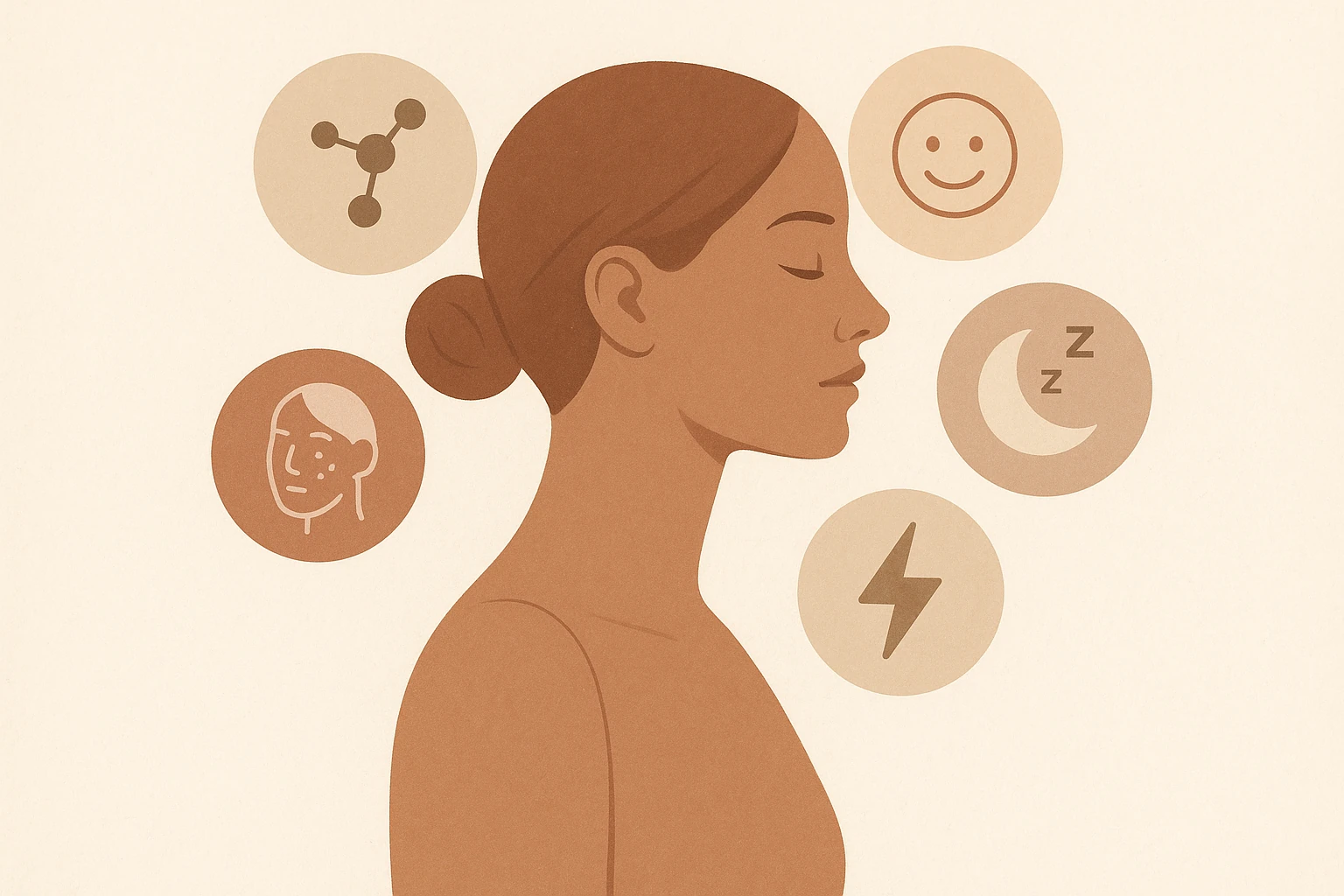
Hormones are chemical messengers that travel through the body, coordinating a huge range of processes — metabolism, the menstrual cycle, mood, sleep, energy, and much more. They work together in a finely balanced system, with different hormones rising and falling in coordinated patterns.
For women, several hormones play particularly prominent roles across the menstrual cycle and across life stages. When this system is working smoothly, you may not think about it at all. When something shifts, the effects can show up in ways that feel puzzling.
Why Hormonal Health Matters
Because hormones influence so many systems, hormonal health affects how you feel day to day and over the long term. Many common experiences — irregular periods, mood changes, energy dips, skin and hair changes, and changes around perimenopause and menopause — have a hormonal dimension.
Understanding this helps you connect symptoms that might otherwise seem unrelated, and it helps you recognise when something may be worth discussing with a doctor rather than simply tolerating.
Common Areas of Hormonal Health
Women's hormonal health spans a range of areas, including:
- The menstrual cycle, including conditions such as PCOS and other causes of irregular periods.
- Thyroid function, which influences metabolism, energy, and more.
- The menopausal transition, including perimenopause and menopause.
- Stress-related hormones, such as cortisol, which interact with sleep and wellbeing.
- Reproductive and fertility-related health.
These areas often interact, which is why a whole-picture view can be helpful. A doctor can consider how different factors fit together in your individual situation.
When Hormonal Symptoms Are Worth Checking
It is easy to attribute symptoms like fatigue, mood changes, or cycle irregularities to a busy life — and sometimes that is the case. But persistent or troubling symptoms are worth assessing rather than guessing about. A doctor can help determine whether a hormonal factor is involved, rule out other causes, and explain what your symptoms may mean.
Importantly, hormonal health is individual. General information is a useful starting point, but personalised assessment is what brings real clarity.
How Hormones Change Across Life
One reason hormonal health can feel confusing is that it is not static — it shifts across life stages. The reproductive years, the time around pregnancy and postpartum, and the transition through perimenopause and menopause each bring different hormonal patterns. What feels normal at one stage may differ at another, and symptoms can change accordingly.
Understanding this helps you interpret your own experience with more confidence. A change in your cycle, energy, or mood may relate to the life stage you are in, or it may point to something worth checking. The two are not always easy to tell apart, which is where a doctor's perspective is valuable. Rather than guessing, you can get an individualised view of what is typical for your stage and what may benefit from assessment, so you can respond appropriately.
When to Speak to a Doctor
Consider speaking to a doctor if you have persistent symptoms that could relate to hormones — such as irregular periods, mood or energy changes, or symptoms around perimenopause — or if you simply want to understand your hormonal health better. A consultation can provide clarity and individualised guidance.
Seek prompt medical attention for very heavy or unusual bleeding, severe symptoms, or anything that worries you.
Understanding your hormones is empowering. A doctor can help you make sense of how you feel and what may help.
Speak to a licensed doctor on Zoey. A discreet, MOH-licensed consultation lets you discuss your hormonal health with a Singapore doctor. Start a consultation when you are ready.
References
Related reading
This article is for general education and is not medical advice. A consultation with a licensed doctor is required before any treatment.