Thyroid Testing in Singapore: What TSH, T3, and T4 Results Mean
If you have had thyroid blood tests, you may have stared at terms like TSH, T3, and T4 and wondered what they actually mean. Understanding the basics — in plain language — helps you make sense of your results and have a more informed conversation with your doctor. Zoey connects you with MOH-licensed Singapore doctors who can interpret thyroid results in the context of your symptoms.
Test results are not meant to be self-interpreted in isolation. This guide explains the concepts so the doctor's explanation makes more sense.
How Thyroid Testing Works
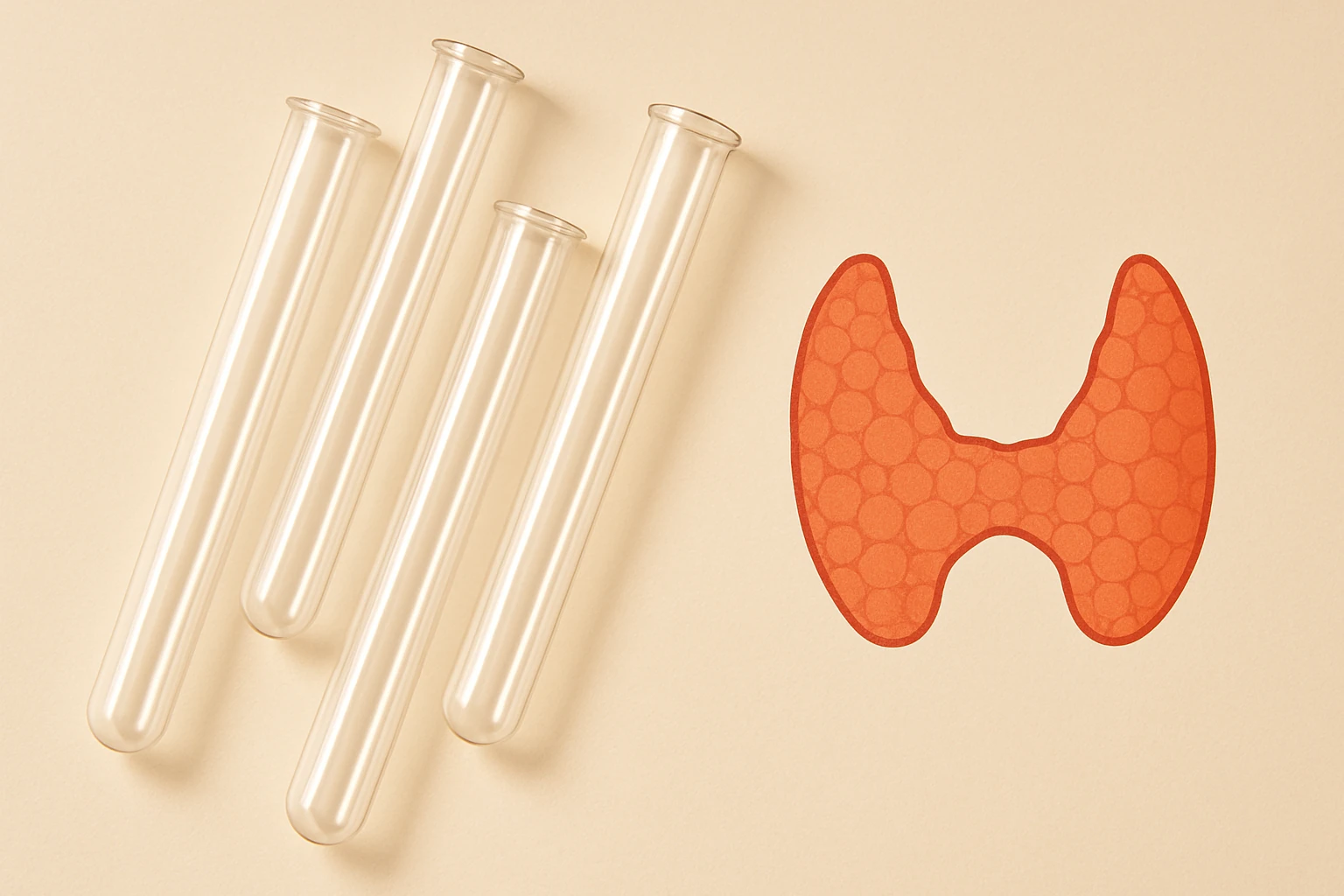
The thyroid gland produces hormones that regulate metabolism. Thyroid blood tests look at markers that help a doctor understand whether the gland is functioning normally, underactive, or overactive. The most commonly discussed are TSH, T4, and T3.
These work together as part of a feedback system between the brain and the thyroid, which is why doctors interpret them in combination rather than focusing on a single number.
What the Main Markers Mean
In simple, educational terms:
- TSH (thyroid-stimulating hormone) is produced by the pituitary gland in the brain and signals the thyroid to produce hormones. It is often the first test used, because it can be a sensitive indicator of how the thyroid is functioning.
- T4 (thyroxine) is a main hormone produced by the thyroid. It is often measured to assess thyroid hormone levels.
- T3 (triiodothyronine) is another thyroid hormone, sometimes measured depending on the clinical picture.
A doctor looks at how these relate to one another. For example, certain patterns may point toward an underactive thyroid, while others may point toward an overactive one. The interpretation depends on the combination and on your symptoms.
Why Results Need a Doctor's Interpretation
It is tempting to compare your numbers to reference ranges and draw conclusions, but thyroid results are genuinely nuanced. Reference ranges, individual circumstances, symptoms, and sometimes additional tests all matter. A result that looks borderline in isolation may mean something different in context.
This is why a doctor's interpretation is essential. A clinician considers your full picture — symptoms, history, and the pattern of results together — rather than any single value. Self-interpreting results can lead to unnecessary worry or false reassurance.
What May Follow Testing
Depending on the results and your symptoms, a doctor may discuss further tests, monitoring over time, or, where a thyroid condition is identified, an individualised management plan. Sometimes results are repeated to confirm a picture. Any treatment is doctor-led and tailored to you, with ongoing review as needed.
Why "Normal Range" Isn't the Whole Story
A common source of confusion is the reference range printed alongside results. It is tempting to treat these as a simple pass/fail line, but thyroid interpretation is more subtle than that. A result near the edge of a range may mean different things depending on your symptoms, the pattern of your other results, and your individual circumstances.
This is why two people with similar numbers might receive different guidance. A doctor looks at the overall pattern — how TSH, T4, and sometimes T3 relate to one another — alongside how you feel, rather than judging any single value in isolation. Sometimes results are repeated over time to confirm a picture, since thyroid function can fluctuate. Taking this measured approach helps avoid both unnecessary worry over borderline numbers and false reassurance, and it ensures any next steps genuinely fit your situation.
When to Speak to a Doctor
Consider speaking to a doctor if you have thyroid test results you want explained, if you have symptoms that could relate to the thyroid, or if you have been advised to monitor your thyroid. A consultation can help you understand what your results mean for you.
Seek prompt medical attention for severe or rapidly worsening symptoms, or any symptom that worries you.
Thyroid results are best understood with a doctor's help. A consultation can turn confusing numbers into a clear picture.
Speak to a licensed doctor on Zoey. A discreet, MOH-licensed consultation lets you discuss thyroid testing and results with a Singapore doctor. Start a consultation when you are ready.
References
Related reading
This article is for general education and is not medical advice. A consultation with a licensed doctor is required before any treatment.