Thyroid Disorders in Women: Signs to Watch and When to Get Tested
Thyroid problems are common in women, yet their symptoms are easy to miss or attribute to a busy life. Fatigue, weight changes, mood shifts — these can all have many causes, and the thyroid is sometimes overlooked. Knowing the signs helps you decide when to seek assessment. Zoey connects you with MOH-licensed Singapore doctors who can assess thyroid symptoms and arrange appropriate testing.
The thyroid influences so many systems that its symptoms can be wide-ranging, which is exactly why awareness matters.
Why the Thyroid Matters
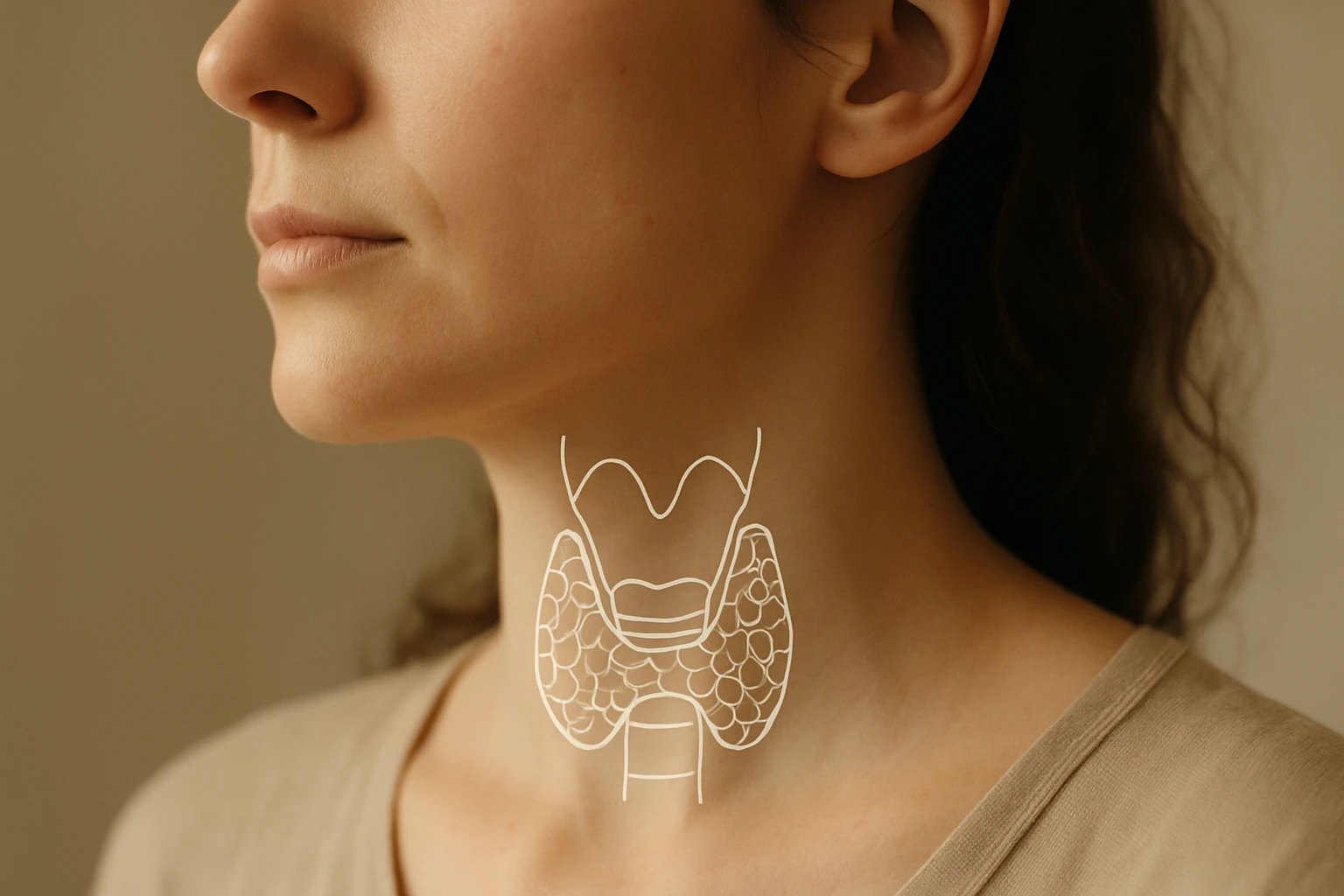
The thyroid is a small gland in the neck that produces hormones regulating metabolism and many bodily processes. When it produces too little hormone (hypothyroidism) or too much (hyperthyroidism), it can affect energy, weight, temperature regulation, mood, the heart, and the menstrual cycle, among others.
Thyroid conditions are more common in women than men, and they can develop gradually, which is part of why they are sometimes missed. Understanding the signs helps you connect symptoms that might otherwise seem unrelated.
Signs of an Underactive Thyroid
An underactive thyroid tends to slow things down. Signs may include:
- Persistent fatigue or low energy.
- Unexplained weight gain.
- Feeling cold more easily.
- Dry skin or hair changes.
- Constipation.
- Low mood or "brain fog."
Signs of an Overactive Thyroid
An overactive thyroid tends to speed things up. Signs may include:
- A racing or irregular heartbeat, or palpitations.
- Unexplained weight loss.
- Feeling hot or sweating more.
- Anxiety, restlessness, or irritability.
- Tremor (shaky hands).
- Difficulty sleeping.
Both underactive and overactive thyroid can also affect menstrual patterns, which is one reason thyroid assessment is sometimes considered when investigating cycle changes.
When to Consider Testing
It may be worth speaking to a doctor about thyroid testing if you have several of the above symptoms, particularly if they persist; if you have a family history of thyroid conditions; or if you are experiencing menstrual changes or difficulties that a doctor wants to investigate. Because thyroid symptoms overlap with many other conditions, testing is the reliable way to clarify what is going on.
A doctor can arrange blood tests that assess thyroid function — such as TSH and thyroid hormone levels — and interpret them in the context of your symptoms and history. This individualised interpretation is important, since results are best understood alongside the full picture.
What Happens After Testing
If a thyroid condition is identified, a doctor will discuss appropriate management, individualised to you and monitored over time. Thyroid conditions are generally manageable with proper medical care. Any treatment is doctor-led, and you should never start or change thyroid medication without guidance.
Why Symptoms Are Easy to Miss
Thyroid symptoms are notoriously easy to overlook, partly because they overlap with so many everyday experiences — tiredness, mood changes, weight fluctuations — that are easy to attribute to a busy life. They can also develop gradually, so you may adjust to them without realising something has shifted.
This is exactly why awareness helps. Noticing several of these symptoms together, or symptoms that persist, is a useful prompt to seek assessment rather than pressing on and hoping they pass. Because the thyroid influences so many systems, the symptoms can seem unrelated until you connect them. A doctor can help make that connection, arrange testing where appropriate, and interpret results in context. The reassuring part is that thyroid conditions are generally very manageable once identified, so getting clarity is well worth it.
When to Speak to a Doctor
Consider speaking to a doctor if you have persistent symptoms that could relate to the thyroid, a family history of thyroid conditions, or menstrual changes you want investigated. A consultation can determine whether testing is appropriate and what the results mean.
Seek urgent medical attention for symptoms such as a very rapid or irregular heartbeat, chest pain, severe breathlessness, or any sudden, severe symptoms.
Thyroid disorders are common and assessable. A doctor can help you understand your symptoms and arrange appropriate testing.
Speak to a licensed doctor on Zoey. A discreet, MOH-licensed consultation lets you discuss thyroid symptoms with a Singapore doctor. Start a consultation when you are ready.
References
Related reading
This article is for general education and is not medical advice. A consultation with a licensed doctor is required before any treatment.