PCOS, Hair Loss, and Hirsutism: Two Sides of the Same Hormone
It can seem like a cruel contradiction: PCOS can cause hair to thin on the scalp while growing where you would rather it didn't — on the face, chest, or back. These two experiences feel opposite, but they often share the same hormonal root. Understanding that connection can make both feel less baffling. Zoey connects you with MOH-licensed Singapore doctors who can assess hair-related symptoms and discuss options.
Hair changes can be among the most distressing aspects of PCOS. They are also among the most misunderstood, so a clear explanation helps.
The Shared Cause: Androgens
Both excess hair growth and scalp hair thinning in PCOS are linked to androgens — hormones present in everyone but sometimes relatively elevated in PCOS. The twist is that hair follicles in different parts of the body respond to androgens differently.
On the face and body, androgens can stimulate follicles to produce coarser, darker hair — leading to hirsutism. On the scalp, the same hormonal influence can do the opposite in genetically susceptible follicles, contributing to thinning in a pattern sometimes called female-pattern hair loss. Same hormone, opposite effects, depending on the follicle.
Hirsutism: Excess Hair Growth
Hirsutism refers to unwanted hair growth in areas where it is more typical in men, such as the upper lip, chin, chest, or back. It is one of the visible signs doctors consider when assessing for elevated androgens.
The degree varies a lot between women, and what feels significant is personal. There is no "normal" you have to accept — if it bothers you, that is reason enough to seek advice.
Scalp Hair Thinning
Androgenic thinning on the scalp tends to be gradual and may show as reduced density, particularly around the crown or part line, rather than distinct bald patches. Because it develops slowly, it can be easy to attribute to other causes. A doctor can help determine whether hormones are contributing and rule out other reasons for hair loss, such as thyroid issues or nutritional factors.
What May Help
Because both stem from a shared hormonal driver, management often focuses there. In educational terms, a doctor may consider:
- Hormonal approaches such as the combined pill, which can influence androgen activity in some women.
- Anti-androgen options such as spironolactone in suitable cases.
- Cosmetic and topical measures for hair removal or scalp support, which may complement medical approaches.
These are individual decisions. Effects build gradually over months, so patience and realistic expectations matter. A doctor will also consider your wider goals, including pregnancy planning, since some options are not suitable then.
The Emotional Impact Is Valid
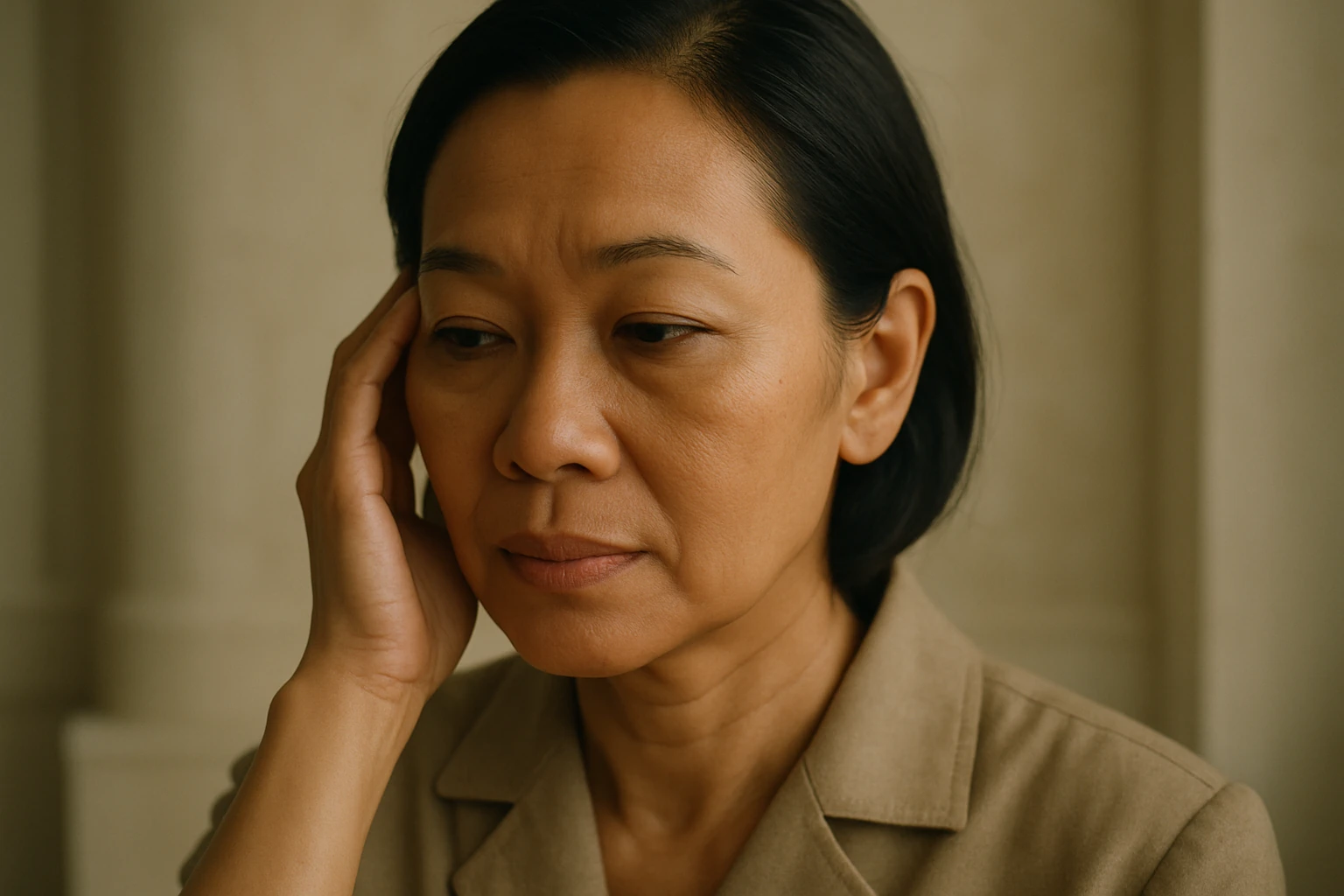
Hair changes can affect confidence and self-image in ways that are easy to underestimate. Whether it is unwanted hair growth or scalp thinning, these symptoms are visible and personal, and the distress they cause is entirely valid. You do not need to justify wanting to address them — if they bother you, that is reason enough.
It also helps to know that these symptoms are common and have an understandable hormonal basis, rather than being a personal failing or something you have caused. A doctor can discuss this openly and without judgement, and the privacy of an online consultation often makes it easier to raise. Because effects of any approach build gradually over months, having realistic expectations and support along the way matters. A doctor can help you set those expectations and find an approach suited to your goals.
When to Speak to a Doctor
Consider speaking to a doctor if you have noticeable excess hair growth, scalp thinning, or both — especially alongside other possible PCOS signs such as irregular periods or acne. A consultation can clarify whether androgens are involved and what may help.
Seek prompt medical attention for sudden, patchy, or rapid hair loss, which a doctor can evaluate for other causes.
Hair changes are common in PCOS and often addressable. A doctor can assess your individual picture and discuss suitable options.
Speak to a licensed doctor on Zoey. A discreet, MOH-licensed consultation lets you discuss hair-related PCOS symptoms with a Singapore doctor. Start a consultation when you are ready.
References
Related reading
This article is for general education and is not medical advice. A consultation with a licensed doctor is required before any treatment.