PCOS and Exercise: What Helps Insulin Sensitivity Most
Exercise is one of the most consistently recommended tools for PCOS — but "just exercise more" is unhelpful without explaining why or how. Understanding what physical activity actually does for PCOS, and which approaches may help most, makes it far easier to build something sustainable. Zoey connects you with MOH-licensed Singapore doctors who can help you fit movement into a realistic, individualised plan.
The goal here is not punishing workouts or chasing a number on the scale. It is using movement as a tool that may support how your body handles insulin.
Why Exercise Matters in PCOS
Many women with PCOS have some degree of insulin resistance, where cells become less responsive to insulin. Physical activity is one of the most effective everyday ways to support insulin sensitivity, because working muscles use glucose and become more responsive to insulin both during and after exercise.
This is why movement is so often emphasised. Studies suggest that regular activity may help support better insulin handling in many women, which is relevant to several aspects of PCOS. The benefits also extend beyond insulin — to mood, sleep, and overall wellbeing.
What Types of Exercise May Help
There is no single "best" exercise for PCOS, and the most effective one is ultimately the one you will actually keep doing. That said, evidence and practical experience point toward a balanced mix:
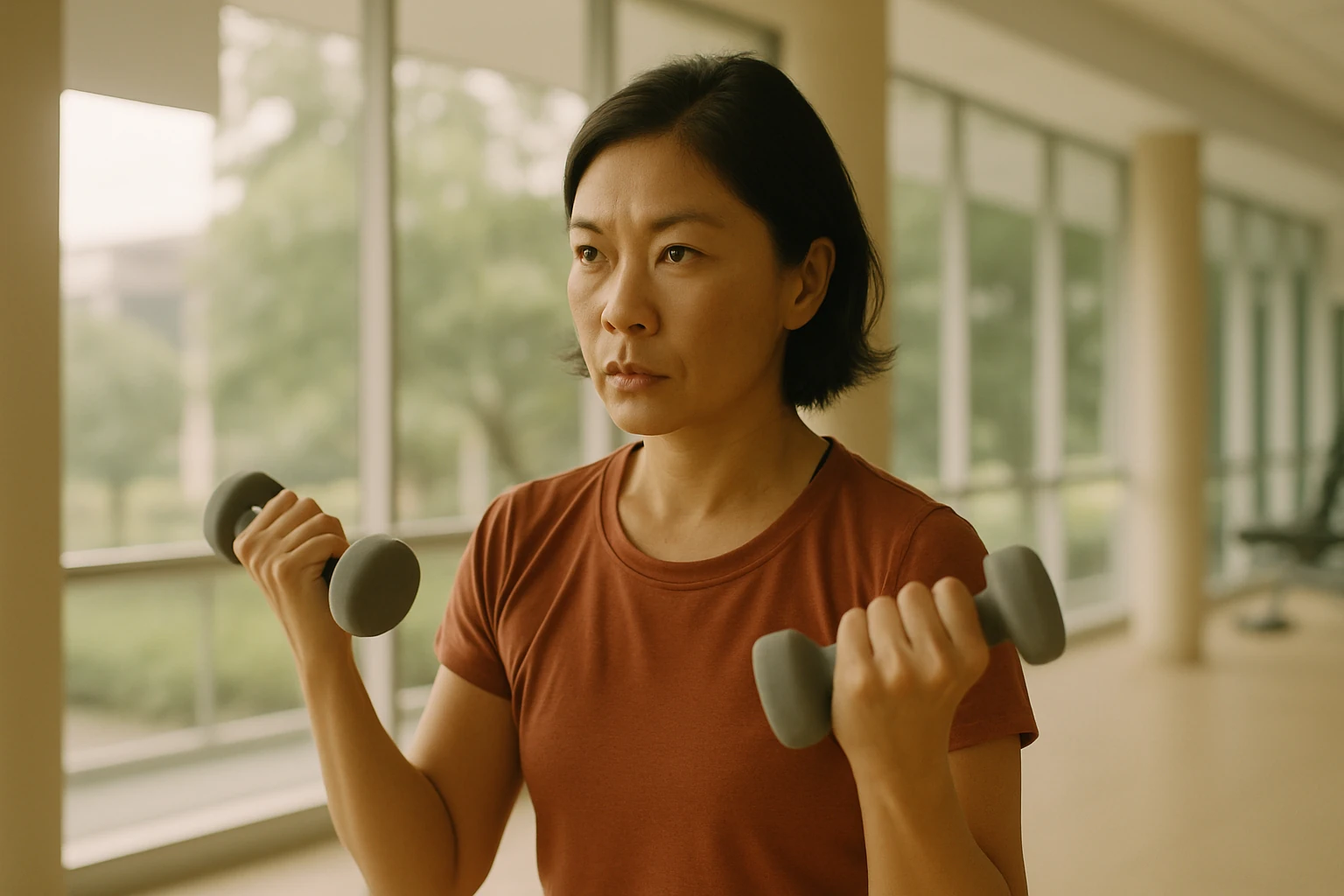
- Resistance training. Building and maintaining muscle is valuable, because muscle is metabolically active and supports glucose use. This makes strength work particularly worth including.
- Aerobic activity. Brisk walking, cycling, swimming, or similar activities support cardiovascular health and insulin sensitivity.
- Higher-intensity intervals, in moderation and where appropriate, may be time-efficient for some women.
- Everyday movement. Simply being less sedentary across the day adds up.
A combination tends to work well, but the right balance depends on your fitness, preferences, and any health considerations a doctor should weigh in on.
Consistency Over Intensity
For PCOS, regularity matters more than punishing intensity. Sustainable, moderate activity done consistently is generally more useful than occasional extreme sessions that lead to burnout. Over-exercising can also be counterproductive, adding physical stress, so balance is key.
Start where you are. If you are new to exercise, building up gradually is sensible, and a doctor can advise if you have any conditions that need consideration before increasing activity.
Part of a Bigger Picture
Exercise is powerful but not a standalone cure. It works best alongside balanced eating, good sleep, stress management, and, where appropriate, medical options a doctor may discuss. Movement is one important lever among several, and the combination is what tends to help most.
It is also worth remembering that the benefits of exercise for insulin sensitivity and wellbeing apply regardless of whether your weight changes. Progress is not only measured on a scale.
Building a Habit That Lasts
The single most important factor in exercise for PCOS is sustainability. The most effective routine is the one you will actually keep doing, so building a habit you enjoy matters more than chasing an "optimal" programme you cannot maintain. Starting small and building gradually tends to work far better than dramatic overhauls that lead to burnout.
It also helps to focus on benefits beyond the scale. Improvements in insulin sensitivity, mood, sleep, and energy are valuable in themselves and occur regardless of whether your weight changes. This broader view keeps motivation steady when the scale is slow to move. A doctor can help you build a realistic plan around your fitness, preferences, and any health considerations, and can advise if you are new to exercise or have conditions that need attention first. Consistency, kindness, and patience are what turn movement into a lasting tool.
When to Speak to a Doctor
Consider speaking to a doctor if you have PCOS and want guidance on building activity into your routine, if you are unsure where to start, or if you have other health conditions that may affect exercise. A consultation can help you create a realistic, individualised plan.
Seek prompt medical attention for chest pain, severe breathlessness, or any worrying symptom during activity.
Movement is one of the most accessible tools in PCOS. A doctor can help you use it well as part of a personalised approach.
Speak to a licensed doctor on Zoey. A discreet, MOH-licensed consultation lets you discuss PCOS lifestyle and management with a Singapore doctor. Start a consultation when you are ready.
References
Related reading
This article is for general education and is not medical advice. A consultation with a licensed doctor is required before any treatment.