Why Menopause Causes Weight Gain: Oestrogen, Cortisol, and Sleep
Weight changes around menopause are one of the most common — and most frustrating — experiences women describe. It can feel as though your body has changed the rules overnight. Understanding the roles of oestrogen, cortisol, and sleep helps make sense of it and points toward what may help. Zoey connects you with MOH-licensed Singapore doctors who can help you build a realistic, individualised approach.
This is not about willpower. Real physiological shifts are involved, and understanding them is empowering.
The Oestrogen Factor
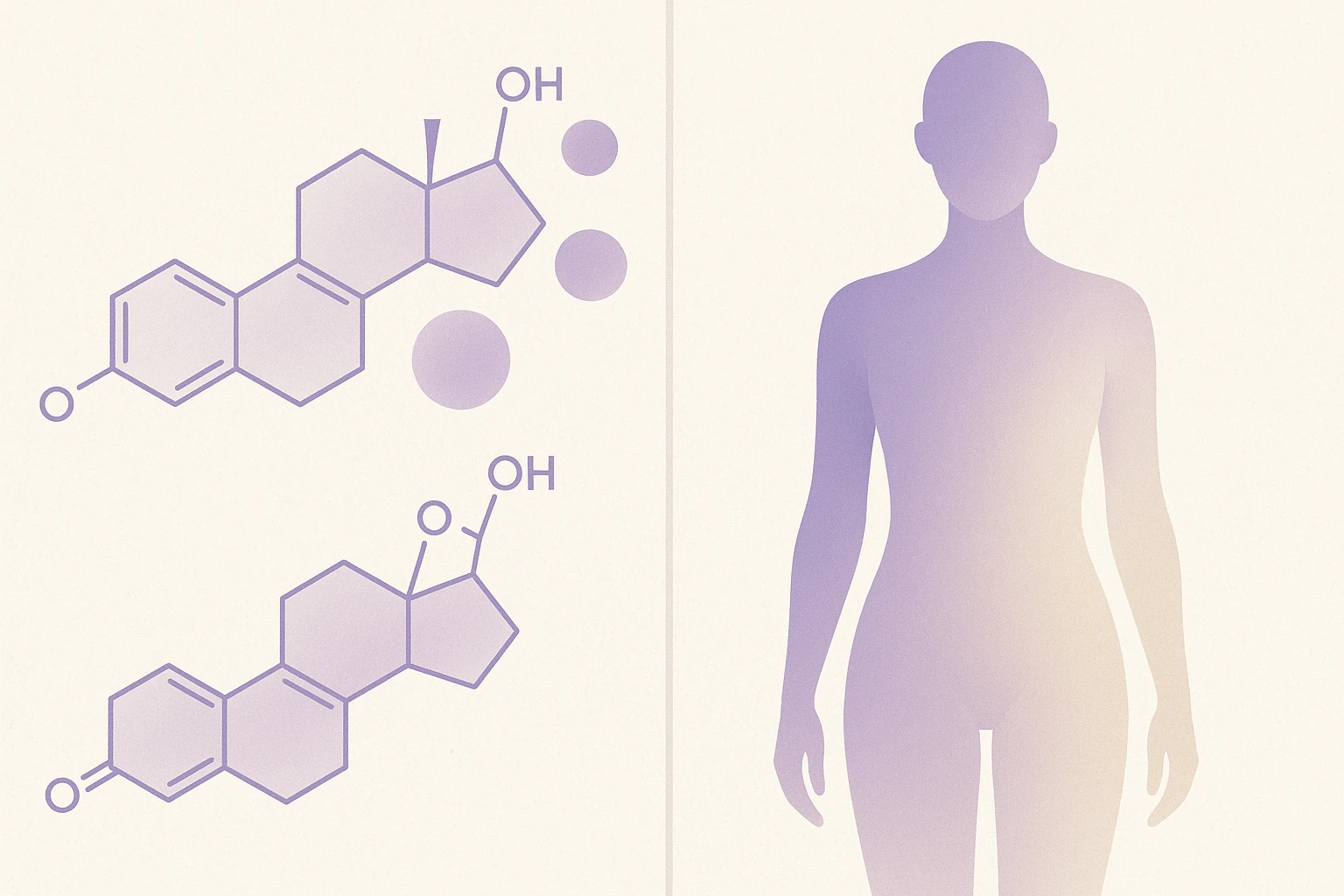
Oestrogen influences where the body stores fat and aspects of metabolism. As oestrogen declines during and after menopause, some women notice a shift in fat distribution, often toward the midsection, along with changes in how their body handles weight. Combined with the natural loss of muscle that can occur with age, this can affect how the body uses energy.
This is one reason familiar approaches may feel less effective than before — the underlying hormonal environment has changed.
The Cortisol Connection
Cortisol, often called the stress hormone, also plays a role. Midlife frequently coincides with significant stress — work, family, and other pressures — and ongoing stress can influence cortisol patterns. Cortisol can affect appetite and where the body stores fat, which may contribute to weight changes for some women.
Menopausal symptoms themselves can add to stress, creating a loop where stress and symptoms reinforce one another. Managing stress is therefore not just about wellbeing; it can be relevant to weight too.
The Sleep Piece
Sleep is the third key factor. Hot flushes, night sweats, and other menopausal symptoms can disrupt sleep, and poor sleep influences hormones that regulate appetite and fullness. Disrupted sleep can also affect energy and motivation, indirectly influencing activity and eating patterns.
This is why improving sleep is often an underrated but important part of managing weight around menopause.
How These Factors Interact
Oestrogen, cortisol, and sleep do not act in isolation — they influence one another. Poor sleep can raise stress; stress can worsen sleep; and both interact with hormonal changes. This interconnectedness is why a whole-picture approach tends to help more than focusing on any single factor.
What May Help
Studies suggest several approaches may help:
- Strength training and regular activity, to support muscle and metabolism.
- Balanced nutrition without extreme restriction.
- Prioritising sleep, including managing symptoms that disrupt it.
- Stress management, which supports both wellbeing and hormonal balance.
A doctor can help individualise this, and where relevant may discuss managing menopausal symptoms that are contributing — for suitable women this may include options such as HRT or non-hormonal approaches, always assessed individually.
Letting Go of Self-Blame
Perhaps the most freeing realisation is that menopausal weight changes are not a sign of weakened willpower. Real physiological shifts — in oestrogen, cortisol, sleep, and body composition — are involved, and they can make familiar approaches feel less effective. Understanding this helps replace self-criticism with a more constructive, compassionate mindset.
That shift matters, because guilt and extreme regimens tend to backfire, while steady, kind, consistent habits tend to work better over time. It also helps to broaden how you measure progress: improvements in strength, energy, and sleep are meaningful even when the scale moves slowly. A doctor can support a realistic plan and, where relevant, help address symptoms that are making things harder, such as disrupted sleep. Working with your body's changes — rather than blaming yourself for them — is the more effective and sustainable path.
When to Speak to a Doctor
Consider speaking to a doctor if weight changes around menopause are frustrating you, if poor sleep or symptoms are contributing, or if you want an individualised plan. A consultation can help you understand the drivers and what realistically helps.
Seek prompt medical attention for any concerning symptoms, including bleeding after menopause, and seek support if your relationship with food or your body feels distressing.
Menopausal weight changes have real causes you can work with. A doctor can help you address them in a realistic, supportive way.
Speak to a licensed doctor on Zoey. A discreet, MOH-licensed consultation lets you discuss menopause and weight with a Singapore doctor. Start a consultation when you are ready.
References
Related reading
This article is for general education and is not medical advice. A consultation with a licensed doctor is required before any treatment.