Hot Flushes and Menopause: The Science of What's Happening in Your Body
A sudden wave of heat, a flushed face, a wave of sweating that arrives without warning — hot flushes are one of the most recognisable symptoms of menopause, and for many women, one of the most disruptive. Understanding what is actually happening in your body can make them feel less mysterious and more manageable. Zoey connects you with MOH-licensed Singapore doctors who can discuss what may help.
Hot flushes are not "all in your head," and they are not something you simply have to endure in silence. There is real biology behind them.
What's Happening in Your Body
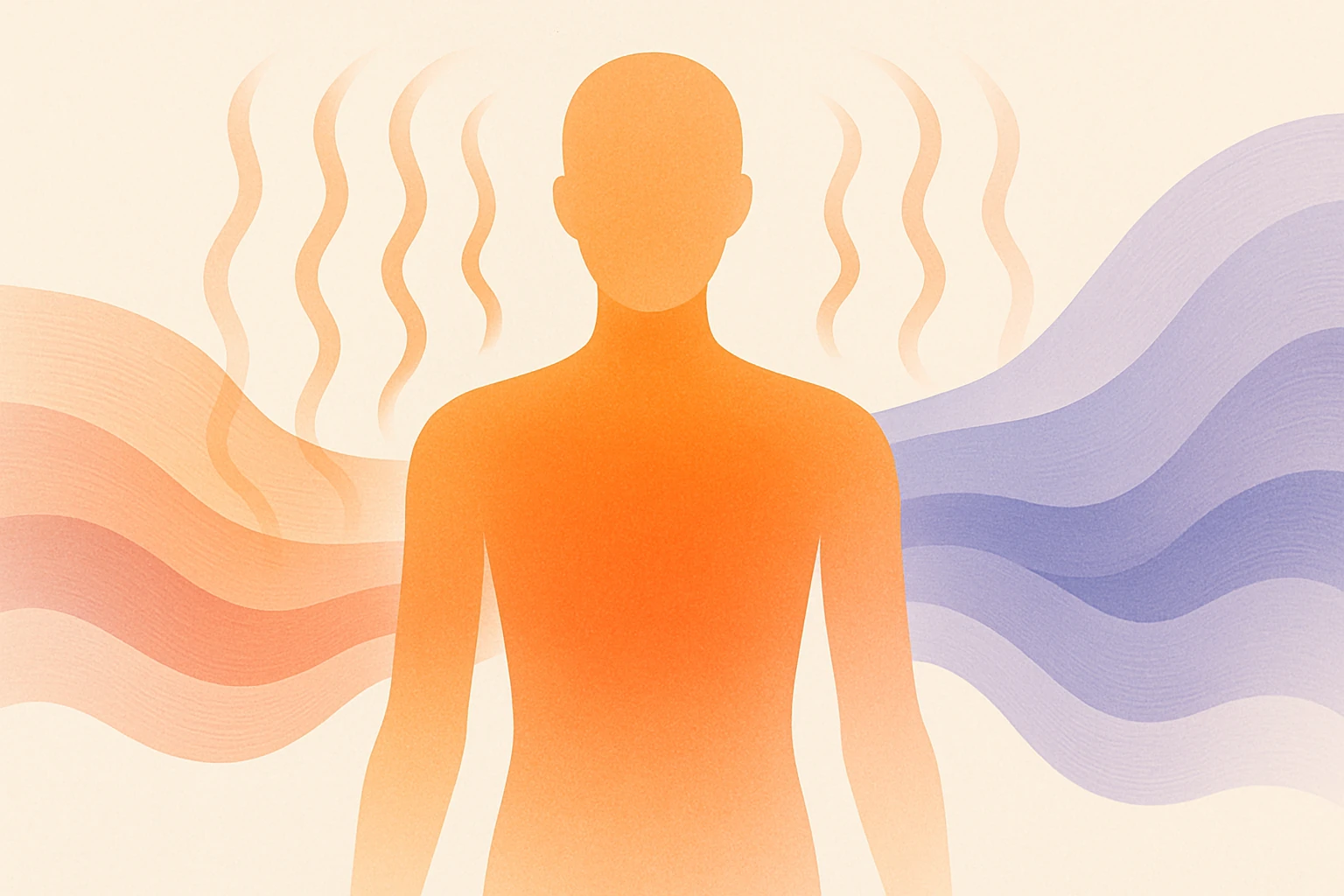
Your body regulates temperature through a control centre in the brain that keeps you within a comfortable range. During the menopausal transition, declining and fluctuating oestrogen appears to affect this thermoregulation system, narrowing the range your body tolerates before reacting.
The result is that small changes in temperature can trigger an exaggerated response. Your body, sensing it is too warm, tries to cool down rapidly — widening blood vessels near the skin (causing flushing and the sensation of heat) and triggering sweating. When this happens at night, it can cause night sweats that disrupt sleep. This is why hot flushes can feel so sudden and intense: it is your body's cooling response in overdrive.
Why They Vary So Much
Hot flushes differ enormously between women. Some experience them rarely; others many times a day. They can vary in intensity, duration, and how long they persist over the years. This variability is part of why an individualised approach matters — there is no single experience of menopause.
Certain triggers, such as heat, stress, spicy food, or caffeine, can prompt flushes for some women, though these vary from person to person.
What May Help
The good news is that hot flushes are something a doctor can help with. In educational terms, approaches may include:
- Lifestyle measures. Identifying and managing personal triggers, dressing in layers, keeping cool, and managing stress may help some women.
- Hormone replacement therapy (HRT). Because hot flushes are linked to oestrogen changes, doctors may consider HRT for suitable women, as it addresses the hormonal driver. Suitability depends on individual factors and is assessed carefully.
- Non-hormonal options. For women who prefer not to use, or are not suited to, HRT, a doctor may discuss non-hormonal approaches.
Each of these is an individual decision made with a doctor, who weighs your symptoms, health history, and preferences. There is no one-size-fits-all answer.
You Don't Have to Just Put Up With It
A common misconception is that hot flushes are simply something to tolerate. They are a legitimate symptom that can affect sleep, concentration, and quality of life — and effective support exists. Seeking help is reasonable and worthwhile, not an overreaction.
Tracking Triggers
Because hot flushes can be prompted by certain triggers — heat, stress, spicy food, or caffeine, among others — some women find it helpful to notice their own patterns. Keeping a simple note of when flushes occur and what preceded them can reveal personal triggers you can then manage or reduce where practical.
This is not about rigid avoidance, but about awareness that gives you a degree of control. Alongside practical measures like dressing in layers and keeping cool, identifying triggers can ease the impact of flushes for some women. That said, lifestyle measures are only part of the picture, and if flushes are significantly disrupting your sleep or daily life, a doctor can discuss further options — including, for suitable women, HRT or non-hormonal approaches. Bringing your observations to a consultation helps a doctor tailor advice to your specific experience.
When to Speak to a Doctor
Consider speaking to a doctor if hot flushes or night sweats are disrupting your sleep, work, or wellbeing; if you want to understand your options; or if you are unsure whether your symptoms relate to menopause. A consultation can clarify what is happening and what may help.
Seek prompt medical attention for any unusual symptoms, including bleeding after menopause, which always warrants medical assessment.
Hot flushes are common, explainable, and manageable. A doctor can help you find an approach that suits you.
Speak to a licensed doctor on Zoey. A discreet, MOH-licensed consultation lets you discuss menopausal symptoms with a Singapore doctor. Start a consultation when you are ready.
References
Related reading
This article is for general education and is not medical advice. A consultation with a licensed doctor is required before any treatment.