Bone Health During and After Menopause: Protecting Against Osteoporosis
Bone health rarely gets attention until something goes wrong — but menopause is one of the most important times to think about it proactively. The decline in oestrogen has a real effect on bone, and understanding it allows you to take sensible, preventive steps. Zoey connects you with MOH-licensed Singapore doctors who can discuss bone health and individualised options with you.
This is not about alarm. It is about awareness, because the actions that support bone health are most valuable when taken early.
Why Menopause Affects Bones
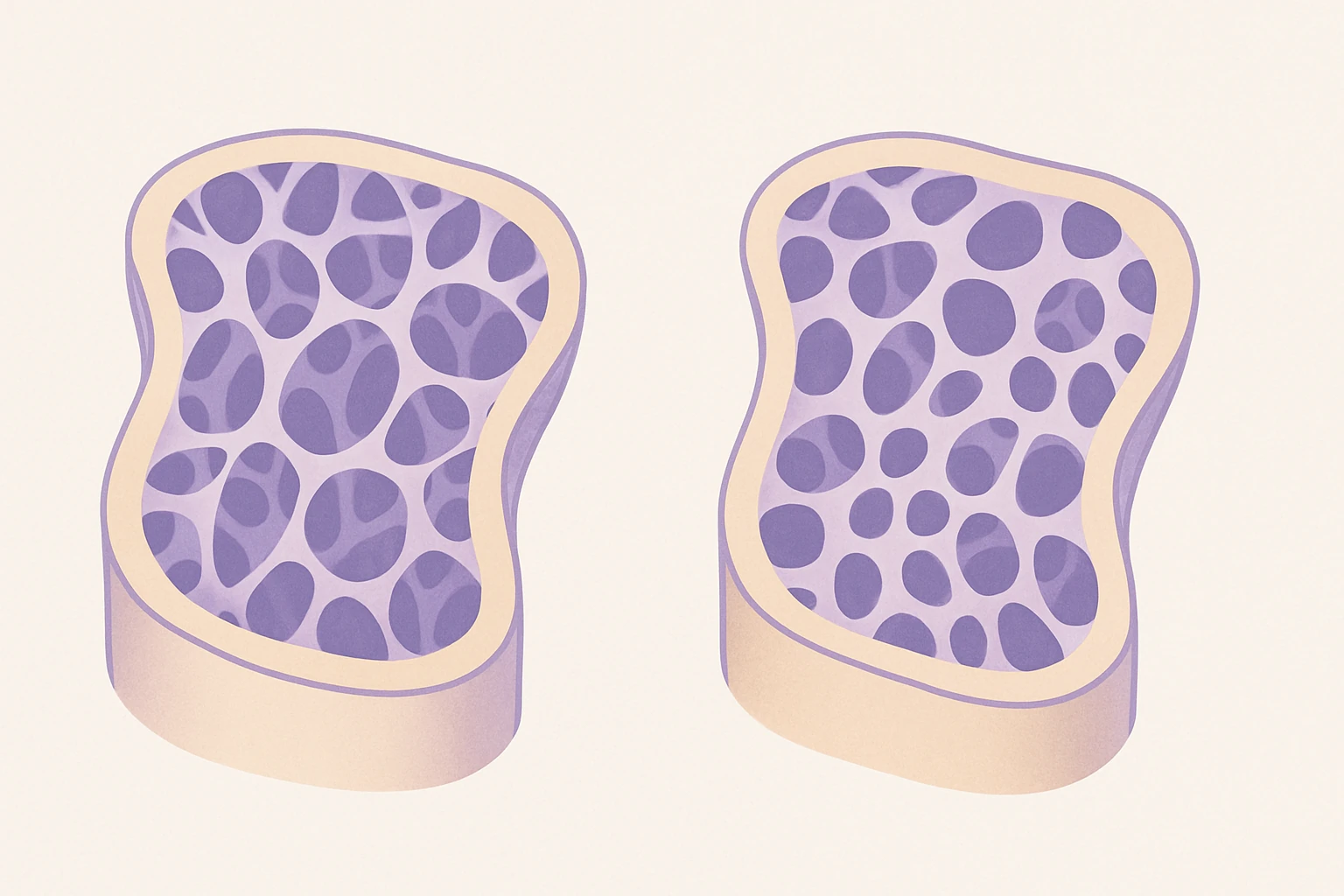
Bone is living tissue, constantly being broken down and rebuilt throughout life. Oestrogen plays an important role in helping maintain this balance and supporting bone density. As oestrogen declines during and after menopause, the balance can shift, and bone density may decrease more rapidly than before.
Over time, lower bone density can increase the risk of osteoporosis — a condition where bones become more fragile and more prone to fractures. This is why the menopausal years are a key window for paying attention to bone health.
Why It Matters
Osteoporosis often develops quietly, without obvious symptoms, until a fracture occurs. Because of this, prevention and early awareness are particularly valuable. The good news is that there are well-established ways to support bone health, and a doctor can help you understand your individual risk and what is appropriate for you.
Factors that can influence bone health include genetics, body frame, nutrition, activity levels, smoking, and others. A doctor can assess these in context.
How to Support Bone Health
In educational terms, supporting bone health often involves a combination of measures:
- Adequate calcium and vitamin D. These are important for bone, and a doctor can advise on your needs, including whether dietary sources or supplements are appropriate for you.
- Weight-bearing and resistance exercise. Activities that load the bones, including strength training, may help support bone strength.
- Lifestyle factors. Not smoking and moderating alcohol support overall bone health.
- Medical assessment. A doctor may discuss bone density assessment where appropriate, and for suitable women may consider options such as HRT or other treatments, individualised to your situation.
These are decisions to make with a clinician based on your risk profile and preferences.
The Role of HRT in Bone Health
Because oestrogen supports bone, HRT is one option a doctor may consider for suitable women, particularly when started at an appropriate time and when there are other reasons to consider it too. Whether HRT is right for you depends on a careful, individualised assessment of benefits and considerations. This is a conversation to have with a doctor rather than a decision to make alone.
Starting Early Pays Off
The most valuable thing about bone health is that proactive steps work best when taken early. Because bone density can decline more rapidly around menopause, and because osteoporosis often develops quietly, the years around the transition are an ideal time to act — before any problem announces itself.
The good news is that the measures involved are positive and largely within everyday reach: adequate calcium and vitamin D, weight-bearing and resistance exercise, not smoking, and moderating alcohol. A doctor can help you understand your individual risk, advise on whether assessment such as bone density testing is appropriate, and, for suitable women, discuss medical options. Knowing your own risk turns vague concern into a concrete, manageable plan. Rather than worrying, you can take practical, individualised steps that support your bones for the long term.
When to Speak to a Doctor
Consider speaking to a doctor about bone health if you are approaching or going through menopause, if you have risk factors such as a family history of osteoporosis or early menopause, or if you simply want to take a proactive approach. A consultation can help you understand your risk and your options.
Seek prompt medical attention for a fracture after minor injury, persistent bone pain, or loss of height, which a doctor can evaluate.
Bone health is something you can support proactively. A doctor can help you build a plan that fits your individual risk.
Speak to a licensed doctor on Zoey. A discreet, MOH-licensed consultation lets you discuss menopause and bone health with a Singapore doctor. Start a consultation when you are ready.
References
Related reading
This article is for general education and is not medical advice. A consultation with a licensed doctor is required before any treatment.